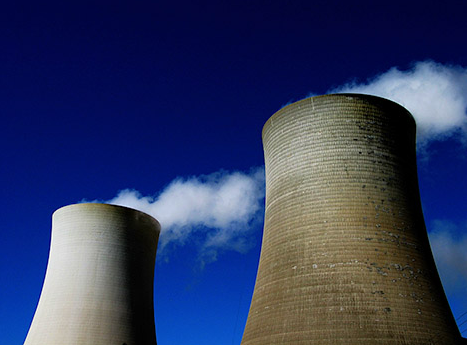
The first step towards greenhouse gas regulation is underway! On Wednesday, the EPA proposed a rule that industries measure and report their greenhouse gas emissions. The rule would apply to 13,000 facilities nationwide, including manufacturers of chemicals, oil, cement, iron and steal, automobiles, electricity generation, and more! Green Inc reports that this will cover 85%-90% of greenhouse gas emissions in the United States, and not just carbon dioxide emissions. The reports will also include emission amounts of those other things we hate to inhale, such as methane, hydrofluorcarbons, and nitrous oxide.
If put into action, emissions tracking will begin in 2010 for reports to release in 2011. Of course, this program would cost a significant amount of cash—$160 million in the first year and then $127 million each year thereafter.
The reports will allow us to pinpoint exactly how much greenhouse gas is released into the atmosphere, and from where. Though some firms are already participating in voluntary reporting, this kind of industry-wide reports will provide comparative analysis. With such detailed (and presumably accurate) information, we will also be in a better position to make informed decisions about how emission regulation should be formulated.
CNNMoney.com also reported that this information could be important to investors. For those ill-prepared companies, emission regulation could drastically affect their earnings.
Mindy Lubber, the Director of the Investor Network on Climate Risk stated:
The SEC needs to protect investors from the risks companies face from climate change, whether from direct physical impacts or new regulations. Shareholders deserve to know if their portfolio companies are well positioned to manage climate risks or whether they face potential exposure.
Public release of information would be a powerful tool to prepare companies, especially those that are energy-intensive, to be held accountable for their energy emissions. Or a good kick in the pants to take the next step to become ecologically conscious!
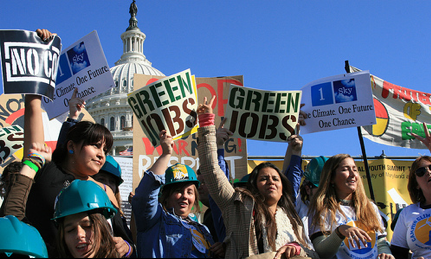


 Powershift 2009
 The Judge heard the rest of the people that were in the room, and any individuals who could not come back at a later time. Then a recess was called until the afternoon to reconvene at the Del Mar College Center for Ecological Development.
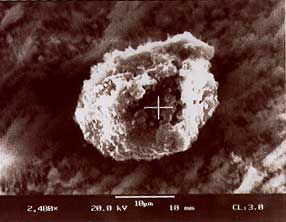 Researchers have drawn direct and immediate links between ambient levels of fine particulates and hospital admissions and deaths. By some estimates, tens of thousands of Americans die each year from exposure to airborne particulates.
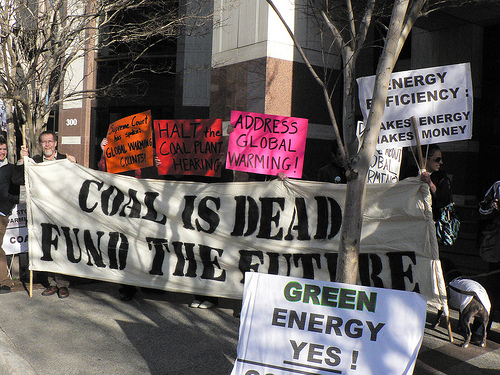 Last Friday two administrative law judges refused to hear testimony on the impact of carbon dioxide emissions during the permitting process for the NRG Limestone coal-fired power plant. The contested case hearing for NRG’s air quality permit application will be going on all week long, but testimony on the proposed plant’s contribution to global warming will not be allowed. The judges decided that the TCEQ has adopted clear policies that they would not consider testimony on the issue, even though the Supreme Court ruled in 2007 (
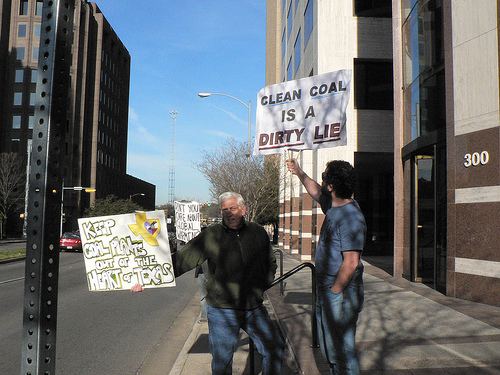 In protest, local environmentalists gathered for an 8:30 a.m. protest Monday Feb 22 outside the State Office of Administrative Hearings. Groups supporting the protest included: Public Citizen, SEED Coalition, Environment Texas, Clean Water Action, Re- Energize Texas, and the Texas Climate Emergency Campaign.
 We’ve said before


