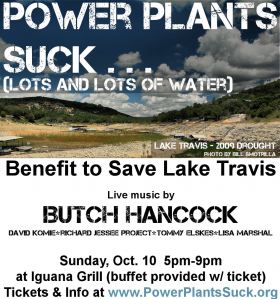
- October 10th Benefit to Save Lake Travis
For more information about the issue read about it in an earlier blog!
For more information about the issue read about it in an earlier blog!
Posted in Air Quality, Coal | Tagged Austin music, Coal, power plants, Texas, water |
The Administrative Law Judges (The Judges) who heard the case against the proposed Tenaska Coal Fired Power plant ruled Friday that Tenaska’s air permit should not be granted as it stands!
“The Administrative Law Judges (ALJs) have concluded, based on their review of the evidence and applicable law, that Tenaska failed to meet its burden of proof to demonstrate that the emissions limits proposed in its Draft Permit will meet the requirements for Best Available Control Technology (BACT) and Maximum Achievable Control Technology (MACT). The ALJs recommend that the Commission adopt more stringent emissions limits as indicated below. Alternatively, the ALJs recommend that the Commission deny the Application or remand the matter for further evidence regarding BACT and MACT.”
While we all know there is no such thing as “clean coal” Tenaska claims that they would be one of the cleanest around, yet the judges recommended lower limits for almost every pollutant that Tenaska would emit.
The proposed Tenaska coal plant, if built, would be a 900 MW coal plant that would emit:

Citizens pack a town hall in Abilene - the majority are against the proposed plant.
Sulfur Dioxide: 2,183 tons/year; Nitrogen Oxide (forms Ozone):1,819 tons/year;Particulate Matter:1,092 tons/year;Mercury: 124 lbs/year.
We commend the Judges for following the law and working to make sure the Clean Air Act is followed. The important thing to remember, folks, is that this is a “recommendation” to the Texas Commission on Environmental Quality (TCEQ), not a binding ruling. So when the TCEQ commissioners make the decision on the Tenaska air permit they will have the opportunity to do the right thing for the health of Texans and deny the air permit!
We don’t need another coal plant in Texas. Instead we should be investing in renewable energy technology like wind and solar which Texas is so ripe for!
###
By promoting cleaner energy, cleaner government, and cleaner air for all Texans, we hope to provide for a healthy place to live and prosper. We arePublic Citizen Texas.
Posted in Air Quality, Coal, Energy, Global Warming, Sunset, TCEQ | Tagged Air permit, alj, CCS, climate change, Coal, coal plant, Global Warming, judge, permit, Public Citizen, soah, TCEQ, tenaska, Texas |
In 2009, a drought nearly emptied Lake Travis. People living and working in the surrounding communities remember businesses closing up as the economic activity around the lake ground to a halt. In 2010, a new threat to lake levels and local businesses has emerged.
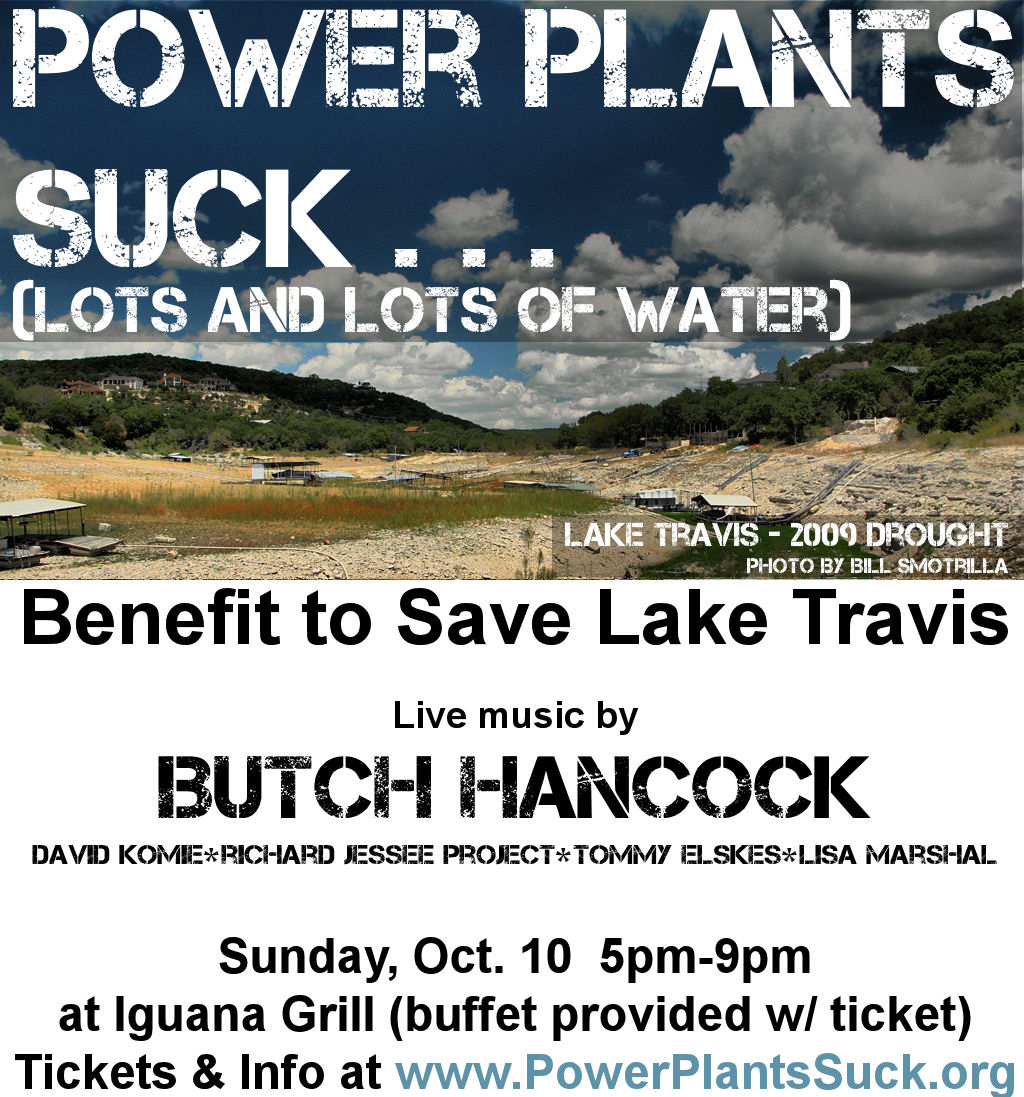
Photograph by Bill Smotrilla
Despite rising temperatures and projections of less and less available water in our state, 3 unneeded power plants have been proposed that would suck more water – billions of gallons of water – out of the Colorado River. Fortunately, Public Citizen has joined forces with ReEnergize Texas, SEED Coalition, and the Lonestar Chapter of the Sierra Club to stop these plants from ever seeing the light of day.
On October 10th a new campaign will be launched, not with an activist rally or press conference on the steps of the capitol (both of which are fine ways to start a campaign), but with people enjoying good food and live music while watching the sun go down over Lake Travis. We’ll be entertained by such musicians as the legendary Mr. Butch Hancock, the Richard Jessee Project, Tommy Elskes & Lisa Marshall and David Komie. You’re invited to join us.
About the Issue Continue Reading »
Posted in Air Quality, Coal, Energy, Global Warming, Nuclear, Renewables | Tagged power plants, Texas |
Dr. Al Armendariz, a former SMU professor, made his first appearance before a state legislative committee in his new role as Regional 6 Administrator of the U.S. Environmental Protection Agency.
Most of the House Environmental Regulation Committee hearing was taken up with Armendariz’s testimony with the bulk of the discussion about EPA’s decision earlier this year to disallow the state’s controversial flexible permit program that allows some facilities to obtain air permits based on overall emissions instead of having to get permits for each emission source.
The ruling on the program, which is unique to Texas and has been in place since the middle 1990s, sparked a firestorm of criticism from top state leaders followed by a flurry of court action from the state and industry groups seeking its nullification.
The committee’s GOP members (5 Repulicans/4 Democrats) did nearly all the questioning with Armendariz trying to shoot down what he called common misperceptions over the implication of the ruling. Some of those misperceptions included:
Armendariz tried to reassure skeptical Republican lawmakers that his agency is not on a witch hunt and reminded the committee that the warnings about Texas’ flexible permit plan were first sounded in 2007, when Texan George W. Bush was in the White House and one of former President Bush’s local allies, former Arlington Mayor Richard Greene, was the EPA regional administrator who warned all flexible permit holders at the time that changes to the program were coming.
Armendariz was followed by TCEQ Chairman Bryan Shaw, a Perry appointee who stoutly defended the flexible permit program as being both legal under the Clean Air Act and effective in reducing pollution and ozone levels in Texas.
It is unlikely the testimony given today changed the hearts and minds of any of the committee members. and so the show goes on.
###
By promoting cleaner energy, cleaner government, and cleaner air for all Texans, we hope to provide for a healthy place to live and prosper. We are Public Citizen Texas.
Posted in Air Quality, Global Warming | Tagged Air Quaility, Armendariz, environmental regulation, EPA, flex permits, Texas |
 If you didn’t think the Governor race in Texas can get any crazier, you were mistaken. Texans for Public Justice released a report today which shows the Governor receives contributions from his political appointees. (This we knew, but in these amounts?) According to the report, Perry’s campaign has received more than 17 million dollars in contributions from his appointees and their spouses since 2001. These contributions come from entities like the A&M Board of Regents to the Texas Tax Reform Commission.
Perry’s hands are in every government agency in the state. His appointees rank from commissioners of big agencies like the PUC or the TCEQ to smaller ones like the Guadalupe Blanco River Authority. The report points out that almost a quarter of his appointees have given money to his campaign fund. This is not the first time news about Perry’s shakedown of his appointees come out, in 2005, the Houston Chronicle published a story about Perry collecting 5 million dollar from his appointees. The contributions averaged about 18 thousand dollars but if you look at the chart below (From TPJ) , you can see that the governor received hundred of thousands of dollars from some appointees.
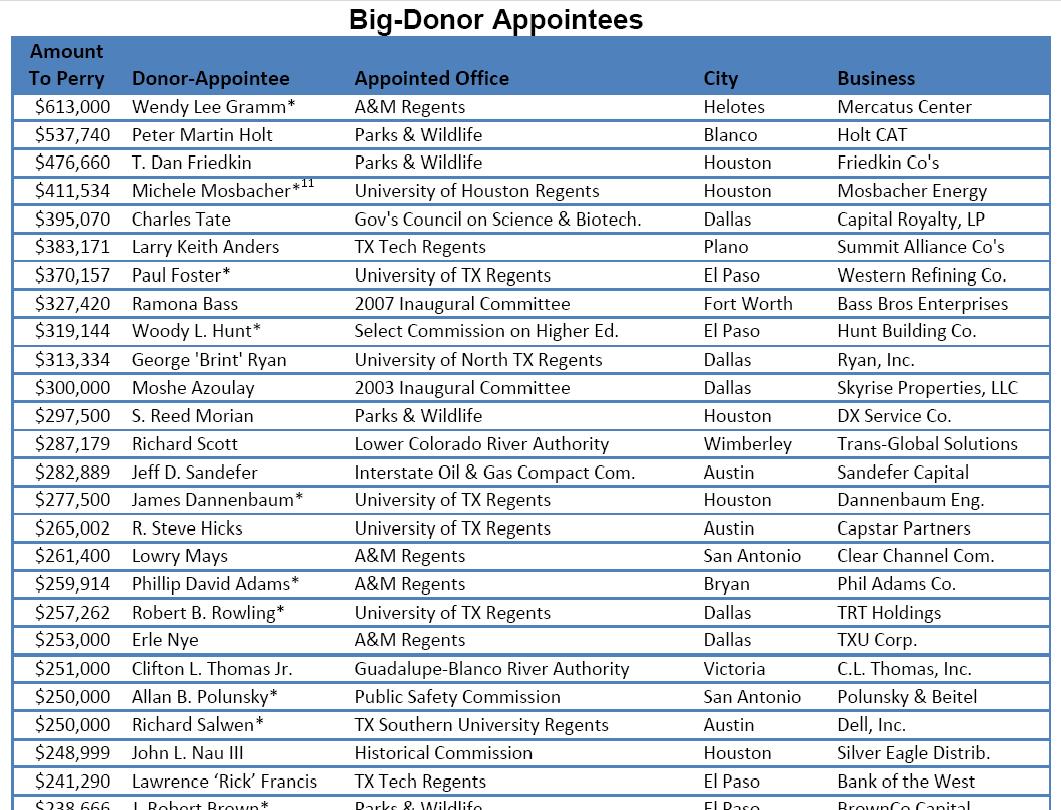
This explains Perry’s fierce defense of his appointees when something bad floats to surface and it also explains how he has been the longest-serving governor in Texas. In a country that prides itself on a check-and-balance type of government, those kind of reports and numbers should be staggering to people.
For fairness sake, many would say Bill White is just the same, he also receives contributions from his political appointees. According a Texas Tribune article, they are right, but the scale is entirely different. Since White started being in public life in the 90’s, he has collected about 2 million dollars. This is on a much lower scale than the 17 million dollars Perry received in less than ten years, and the fact that this 17 million represents between one-quarter to one-fifth of the money raised by Perry.
It is dangerous to our state that our governor is banking on the shaping of policy in Texas. But here in Public Citizen, we always say, “the only thing that beats organized money is organized people, ” so it is our turn to look at the facts, learn about the issues, and reject the status quo of money having an undue influence in politics. We call on all candidates for public office to support REAL reform of our campaign finance system, including bans on raising unlimited money from appointees and especially by moving to a system of public financing for all offices.
###
By promoting cleaner energy, cleaner government, and cleaner air for all Texans, we hope to provide for a healthy place to live and prosper. We are Public Citizen Texas.
Posted in Campaign Finance, Global Warming, Good Government | Tagged appointments in Texas, bill white, parry patronage, PUC, Rick Perry, rick perry campaign, TCEQ, texans for public justice, Texas |
Today the Texas Commission on Environmental Quality (TCEQ) continued their decades-long campaign of ineptitude and inadequacy as they approved the air quality permit for the White Stallion Coal Plant proposed for Matagorda County on the Texas Gulf Coast. Their ruling was unanimous despite the fact that the administrative law judges, who spent weeks presiding over and then deliberating the aspects of this case, recommended that this permit should not be issued. On top of that the TCEQ’s own staff at the Office of Public Interest Council (or OPIC) reiterated their position that this permit should be denied.

"Clean coal" is about as realistic and honest as this image.
It seems simple things like common sense and logic are completely absent from the regulatory fantasy world the TCEQ commissioners live in. It is their opinion that the thousands of tons of toxic pollution they have permitted this coal plant to emit are “acceptable,” even though they are likely to lead to the deaths of over 600 Matagorda County residents over the plant’s estimated lifetime, at a price tag of over $5.4 billion in health care costs (according to a report from MSB Energy Associates). Also “acceptable” to these TCEQ commissioners is an air monitor White Stallion used for their air modeling report (a vital part of the air permitting process), despite the fact that it is located outside of Corpus Christi, 100 miles downwind of the proposed site. They may as well have used a monitor in China, as the emissions from White Stallion would likely never head in that direction.
TCEQ commissioners have also completely ignored the fact that the EPA has set new standards for National Ambient Air Quality Standards (NAAQS) and they are not requiring White Stallion to adhere to them, despite the fact that this plant would be on the doorstep of the existing Houston non-attainment region. In fact, once the new EPA ozone standards come into effect, Matagorda County is slated to be included in the Houston non-attainment region. By that time, however, thanks to the expedient and enthusiastic permitting approval by the TCEQ, White Stallion will be “grandfathered” and its effects on a non-attainment region will stand.
The most egregious assault on common sense and logic, however, is this plant is completely unnecessary and dangerous to all of Texas, and in fact the entire world. At a time when we need to be shifting our infrastructure and development to renewable and sustainable forms of energy generation, a CO2 and toxin-belching coal plant is the last thing we should be permitting in Texas. This plant represents not only an assault on the health of Matagorda County citizens, but a furthering of reliance upon these dirty, old methods of power generation. We have the technology now to be shifting to responsibly generated electricity. To fail in this is not just a failure by the TCEQ towards the people of Matagorda, but the failure of the state of Texas to lead this country in the direction we desperately need to go.
In the end, however, we can all take heart in the fact that the ultimate decision on whether this plant gets built or not is not only in the hands of the TCEQ. That power lies in the hands of the people – both those who are opposing the project and those attempting to build it. This plant still requires a waste water permit from TCEQ, a water contract from LCRA, and another permit from the Army Corps of Engineers before it can operate. It is also expected that this decision from the TCEQ will be challenged at the state courts. Ultimately, as long as the people of Matagorda continue to say “NO” to this plant, and as more and more people rally to help them in their cause, this plant will be defeated.
Go to NoCoalCoalition.org for more information and to get involved in the fight against White Stallion.
###
By promoting cleaner energy, cleaner government, and cleaner air for all Texans, we hope to provide for a healthy place to live and prosper. We are Public Citizen Texas.
Posted in Air Quality, Coal, Energy, Global Warming, Good Government, TCEQ | Tagged approves, Carbon Dioxide, climate change, Coal, coal plant, Electricity generation, Energy, matagorda county, National Ambient Air Quality Standards, Public Citizen, regulate, regulation, TCEQ, Texas, Texas Commission on Environmental Quality, white stallion |
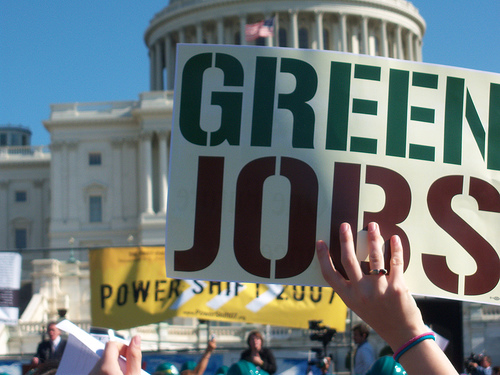
Finally, energy is now moving to the center of the debate in the governor race. Bill White announced yesterday his energy plan. For a while, the democratic candidate’s position on energy was a bit blurry but yesterday White set the record straight. He is in for green energy.
While the current governor has wasted state resources on fighting the EPA and the Federal government on behalf of big business, White thinks the state should focus more on green energy, especially from solar. White said that just like Texas had a good experience with wind energy in the past decade, it can exceed in the field of solar energy.
White emphasizes that green energy can create many jobs and help boost the Texas economy. The jobs can range from construction, and panel installation, research, to jobs in education and training and maintenance jobs so even in the long run, there will be jobs.
Texas can remain the energy capital of the world if we lead in new energy development. That’s why we must educate Texans for high-demand, high-paying clean energy jobs, promote job growth in construction and manufacturing, and invest in science and technology research,” said Bill White, yesterday in Lubbock.
In addition to promoting renewable energy, White outlined a plan to establish a residential energy efficiency program and another to retrofit government buildings to be more energy-conservative. The democratic candidates also encouraged Texans to be conservative with their use of energy, “Texans know that the cheapest kilowatt of power is the one you don’t use. Texas families and businesses, as well as the government, can save money with energy efficiency measures,”
We believe investing in green energy will not only enhance the quality of our environment, it will bring more money into our economy, and it will create more jobs for Texans. Sounds like we have one candidate with an energy plan. Governor Perry, yours please?
###
By promoting cleaner energy, cleaner government, and cleaner air for all Texans, we hope to provide for a healthy place to live and prosper. We are Public Citizen Texas.
Posted in Energy, green jobs, Renewables, solar | Tagged bill white, renewable energy, Rick Perry, solar, solar energy, Texas, wind power |
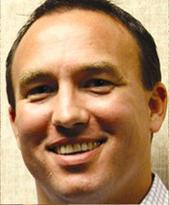
PEC's newly elected Board Member, Ross Fischer

Larry Landaker, PEC's President of Board of Directors
Pedernales Electric Cooperative. The name used to be synonymous with closed-door meetings and conjured up images of a good ol’ boys club and the smoke-filled room, where the public was shut out of the decision-making process.
Today Pedernales Electric Co-op (PEC) board members voted for a proposed strategic meeting in October to be open. They had originally proposed the meeting be closed, as electric cooperatives, like some other public utilities and agencies, have an exception under the Public Information Act exempting “personnel, real estate, legal and competitive matters.”
Enter Ross Fischer, District 5’s newly-elected representative on the PEC board, who raised concerns about holding closed meetings, saying “The outcome is going to be meaningless because the stakeholders aren’t going to be a part of it”. Having served as the head of the Texas Ethics Commission before he was elected to the Board in June, Fisher emphasizes transparency in conducting those meetings. Fischer is right, of course– how do you make decisions about the future of a member-owned electric cooperative if the member-owners can’t attend?
On Monday, Board President Larry Landaker said the meeting, for the most part, will be public.
Four of the board members voted for the meeting to be public. In addition to the president, and Fischer, Patrick Cox and James Williams also voted against the old policy.
The Board of Directors also revised its record-access policy. Though members are not allowed to access records that pertain to protected categories (legal, personnel, and competitive matter) as it has always been, other records are more accessible and members can now write a complaint letter to the General Manager who has to take a corrective action within 20 days.
Public Citizen commends the Board of Director at PEC for taking such an action in order to increase the level of transparency under which, the Co-op functions and we urge them to keep the spirit of reform they have and use it to ameliorate the services and satisfy its members. Pedernales needs to be a model for openness for other co-ops and utilities, but this just shows that transparency must be a constant vigil.
To get an update on the Board’s recent reform, actions, and policy revisions, please click here.
###
By promoting cleaner energy, cleaner government, and cleaner air for all Texans, we hope to provide for a healthy place to live and prosper. We are Public Citizen Texas.
Posted in Consumers, Energy, Global Warming | Tagged Larry Landaker, pec, PEC meeting, PEC strategic meeting, pedernales electric cooperative, Ross Fischer, Texas |
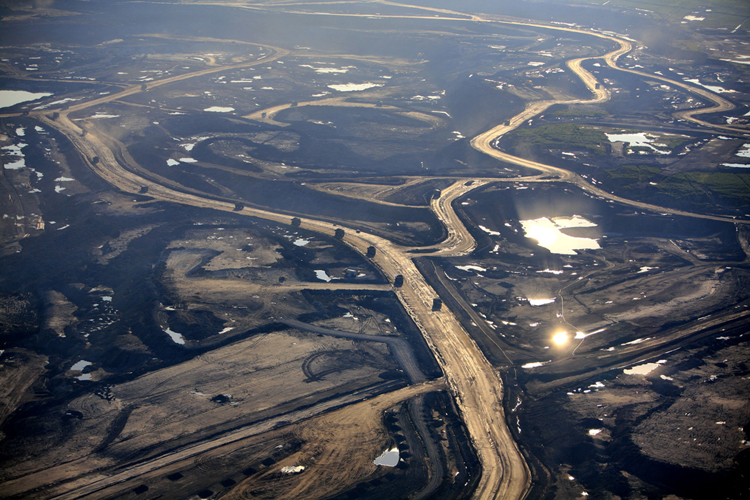 Tar sands oil makes conventional oil look clean by comparison, as it produces 3.2-4.5 times more the carbon footprint than conventional fuel. If that weren’t bad enough cleaner fuels such as natural gas, which otherwise might be used to generate electricity, are wasted in the process of creating more dirty energy from tar sands. Tar sands oil is a type of bitumen deposited in a semi solid form whose extraction is an extremely energy intensive project. For every third barrel of oil extracted one has effectively been consumed by the process. The process of tar sands oil extraction has left vast tracts of land barren with little vegetation as it is strip mined; while only 10%, of what is excavated, is oil. While some water is recyclable, the remaining toxic water is diverted to the euphemistically named “tailing ponds”. There are 2.5-4 barrels of water dumped into these toxic lakes for every barrel of oil extracted. These toxic “ponds” are actually very large; some are even visible from space.
Needless to say these pools are quite harmful to surrounding ecosystems as well as ground water supplies. The land left behind from tar sands extraction is a barren wasteland lacking vegetation and dotted with these toxic waste pools. Not only is the devastation comprehensive, it is widespread. Tar sands extraction in Alberta, Canada is set to affect an area the size of Florida.
Pipelines bringing this dirty oil to the United States have already been built, but TransCanada, an extractor of tar sands oil, has proposed to expand the pipeline system. Part of the proposed expansion will link to a current pipeline in Oklahoma and extend it into East Texas and the Houston Bay Area so that it might be refined there. These refineries will require expensive additions to handle this heavy crude. The planned route crosses through Texas and Oklahoma over rivers, through national forests, and across private land. Landowners have been threatened with eminent domain if they do not comply with Keystone’s demands. Keystone XL clearly places finance over environmental safety as they applied for (then temporarily withdrew) an application for exemptions to the rules that would allow them to make the pipe thinner in rural areas and yet pump at above currently permissible levels. However, they may reapply for this “special permit” later as they seek lower costs at the expense of the public. We cannot allow this to happen. The social costs of tar sands oil production is far too high and the benefits far too small. The expansion of this extremely dirty energy undermines what progress has been made in cleaning America’s energy consumption. While we should be cultivating clean energy production, the dirtiest energy production is being expanded.
Keystone XL needs a presidential permit to build this international pipeline. This is a point of vulnerability. Throughout the summer Public Citizen has been organizing individuals and groups to attend various meetings, hearings, and conferences. The U.S. State Department has held public hearings on its Draft EIS and we have urged others to take the opportunity to raise their voice.
Our efforts at getting such groups together continue as we move further down the proposed pipeline into the Houston area, reactivating allies and making new ones as we work together to stop a pipeline that is proposed to travel near sensitive areas such as the Big Thicket National Preserve. This pipeline only adds to Texas’ clean air problems and by stopping it in Texas we can change the momentum on a rapidly growing dirty industry. Future infrastructure development should be dedicated to renewable, clean energy – not dirtier energy than what we already have.
###
By promoting cleaner energy, cleaner government, and cleaner air for all Texans, we hope to provide for a healthy place to live and prosper. We are Public Citizen Texas.
Posted in Air Quality, Energy, Global Warming, green jobs, natural gas, Renewables, Tarsands, Toxics | Tagged canada, climate change, dirty, Energy, Global Warming, Keystone Pipeline, oil, Oil sands, Oklahoma, pipeline, Public Citizen, public citizen texas, Tar Sands, tarsands, Texas, transcanada |
 Today, the US House Administration Committee voted the Fair Elections Now Act out of committee. San Antonio Representative Charlie Gonzalez cast a decisive vote in favor of the bill, putting a bill that would give optional public financing to all Congressional candidates for further than it has ever gone before.
Tell Charlie Gonzalez how you feel– thank him for his vote and leadership by calling his office at (202) 225-3236 (DC) or (210) 472-6195 (San Antonio).
Unfortunately, in the Senate, Republicans continued to filibuster the DISCLOSE Act. They did this a few months ago, too. At the time Public Citizen’s Craig Holman had this to say about it, and we think it’s still apt.
[youtube=http://www.youtube.com/watch?v=MsCSjRslmm4]
Texas Senators Cornyn and Hutchison voted in favor of corporate special interests who want to hide how they’re pulling the strings in Washington, and I think you should tell them so.
And because no punchbowl for Fair Elections would be complete without some corporate tool laying a dookie in it, enter Texas Rep. Joe Barton, who you may remember apologized to BP, feeling the oil-spilling giant had been mistreated by Congress. Well, he’s still apologizing to corporations, now saying that his committee should hold hearings on Fair Elections Now, which he’s already made up his mind on (hint: he ain’t fer it.) This is nothing more than a massive delay tactic, just like the time he made a rule that all amendments to Waxman-Markey be read aloud in committee, so the committee hired a speed-reader.
In any case, we still have a lot to be happy about. There is some possibility we could get a full vote on Fair Elections Now before the end of the year in the House– if your member of Congress hasn’t publicly stated they will support it, they need to hear from you! And if they have stated their support, call them anyway and thank them for standing up to special interests.
By the by, I’ll be at the National Coffee Party Convention in Louisville the next few days, where I’ll be presenting on a couple of panels about these very issues. If you want to participate virtually, you can! From Coffee Party’s email:
The big news today is that we are LIVE STREAMING the convention from Louisville starting at 8:30 AM ET tomorrow (Friday). Convention participants, both in person and via webcast can interact via Twitter (#CoffeeParty), Facebook, on our convention website, main website and on our newly created Ustream channel.
CLICK HERE for today’s press release about added speaker John Avlon, and HERE for Monday’s release about Lt. Dan Choi and Fair Elections Now.
We are especially excited about livestreaming the Mock Constitutional Convention on Saturday from 10:30am-4:30pm co-chaired by Lawrence Lessig and Mark McKinnon.
To read about the speakers, CLICK HERE. To review the schedule of events, CLICK HERE. To read about the break-out sessions, CLICK HERE.
You can still REGISTER online. You can also register in person at the registration desk when you arrive at the Galt House.
We are currently raising funds for the following purposes: $5,000 for Audio/Visual expenses, including production and live-streaming costs that are allowing us to document as many workshops and panel discussions as we can, which will become on-line educational tools available to the public.
It would be tremendously helpful if you could donate for this. $5, $10, $20, any amount would help.
The convention and the web cast will wrap up Sunday night with a viewing party of MTV Networks’ television world premiere of “9500 Liberty.” This is the film that Eric Byler and I co-directed that documents how the extremists dominated the debate over immigration in Prince William County, VA in 2007 & 2008 and how the silent majority organized and restored balance to the government. On Sunday, the film will be broadcast to 100 milion homes across America.
This video explains how the lessons of 9500 Liberty inspired the creation of the Coffee Party. http://www.youtube.com/watch?v=H8sQUYarTig
See you in Louisville, or, we’ll see you online! And, thank you so much for being part of the Coffee Party community.
Good night, good luck, and see you around the coffee pot.
###
By promoting cleaner energy, cleaner government, and cleaner air for all Texans, we hope to provide for a healthy place to live and prosper. We are Public Citizen Texas.
Posted in Campaign Finance, Good Government | Tagged charlie gonzalez, Coffee Party, Coffee Party livestream convention, Congress, DISCLOSE Act, Eric Byler, facebook, Fair Elections, Fair Elections Now Act, Joe Barton, john cornyn, kay bailey hutchinson, Lawrence Lessig, Mark McKinnon, politics, Texas, United States |
In an article by Concierge.com, a travel focused online publication, they selected seven beach destinations around the world in danger of disappearing forever due to forces such as erosion, pollution, rising sea levels, reckless overdevelopment, and sand mining, with a caution that there are hundreds more. If we don’t curb global warming, insist on sustainable development, and protect the world’s beaches against pollution and mismanagement, the idyllic shorelines we cherish will be preserved only in memory.
Of the seven, the beaches of the Maldives are the most imminently threatened by rising sea levels as a result of global warming.
The Maldives
With postcard-ready beaches, unblemished coral reefs, and some of the world’s most luxurious resorts, the Maldives are for many a once-in-a-lifetime destination. But the island nation’s own lifetime may itself be cut drastically short: Rising sea levels all but doom this string of 26 low-lying atolls in the Indian Ocean, unless the rest of the world acts — quickly — to curb global warming.With an average elevation of just four feet, the Maldives may, according to some scientists’ models, be submerged before the end of the century. Other coastal geologists believe that the islands, which are composed principally of coral, can regenerate more quickly than the water level rises, and that wave action can build up the islands. But rising ocean temperatures — another symptom of global warming — inhibit coral growth, and few Maldivians seem prepared to sit back and take that chance. President Mohamed Nasheed has committed the Maldives to becoming the world’s first carbon-neutral nation by 2020, by building a wind farm to meet 40 percent of the electricity demand; installing 5 million square feet of solar panels; recycling agricultural waste as fertilizer; and asking foreign visitors to buy carbon credits. Valiant as these efforts may be, they are unlikely to stem the (literal) tide, so Nasheed is also searching for a new homeland in case the entire population is forced to relocate.
If you go: The Marine Lab at the Banyan Tree Vabbinfaru resort does serious scientific research on marine ecology, coral recovery, and endangered species. Guests can visit the lab and join biologists on dives.
###
By promoting cleaner energy, cleaner government, and cleaner air for all Texans, we hope to provide for a healthy place to live and prosper. We are Public Citizen Texas.
Posted in Global Warming | Tagged climate change, Current sea level rise, Global Warming, indian ocean, Maldives, sea level rise, Texas |
It has been about half a year since the battles started between the EPA and TCEQ over the Texas’s flexible air-permitting program. Unfortunately, the Governor has taken advantage of this issue to use to attack the Federal Government in his bid for the Governor post. Many have us have forgotten that the EPA started questioning the state’s permitting program during the Bush administration, long before Obama took office, but since this is an election year, Perry will do anything within his reach to cling on that chair.
The EPA finds the 16 year permitting program incompliant with the Clean Air Act. The program makes it difficult to monitor the pollution and reduce emission from Texas facilities because, rather than having to disclose pollution for each individual smokestack at a facility, they aggregate them all together. The Governor and the Attorney general have already sued the EPA protesting the latter’s “overstepping its authority.” The TCEQ says the program is just fine and gives permits to Texas at a cheaper cost.
But we and most other environmental groups, find flex permits severely lacking. All we (and the feds) are asking for is some basic transparency. If flex permits do work, simply tell us what your emissions are, and let’s have a debate about the efficacy of the program. Buit we can’t do that while industry and TCEQ hide the data from the public.
After the many twists and turns this battle has taken, the EPA has set in place a new rule to start a voluntary Audit Program under which refineries and other facilities in Texas can hire a third party auditor. If businesses fail to meet the standards after being audited, the EPA promises not to penalize them but to work with them to acquire a federal air permit.
TX facilities should find this program reasonable. According to the EPA’s website, “The Audit Program is available for 90 days after publication in the Federal Register. Participants who sign up in the first 45 days can take advantage of a reduced penalty incentive for potential violations.”
The TCEQ has protested the new rule, “he state of Texas vigorously defends its flexible permits program and expects to prevail in court. Flexible permits are legal and effective,” said Terry Clawson, the Spokesman for the TCEQ.
Well, if that’s so– show us the data. They won’t, because they know that it won’t stand up to scrutiny.
Finally, Texas facilities will follow the Clean Air Act, just like facilities in every other state.
Meanwhile, tax dollars Texans pay are being wasted on a state agency that refuses to do its job of protecting the state’s environment, and are being wasted by our governor and attorney general on meaningless lawsuits. The EPA is not out to get Texas and just like Al Armedariz said, “Our objective is to get good permits.”
That’s our goal, too. TCEQ is undergoing Sunset Review by the Texas Legislature. Let’s hope we get an agency that follows the law.
###
By promoting cleaner energy, cleaner government, and cleaner air for all Texans, we hope to provide for a healthy place to live and prosper. We are Public Citizen Texas.
Posted in Air Quality, TCEQ | Tagged Air Quality, clean air act, Federal Government, federal register, TCEQ, Texas, Texas Commission on Environmental Quality, United States, United States Environmental Protection Agency |
Statement of Tom “Smitty” Smith:
We are shocked to hear the news that former Austin Energy and Pedernales Electric Cooperative General Manager Juan Garza has taken a job promoting nuclear power with New Jersey-based NRG Energy. While Garza rightfully acknowledges the danger climate change poses to Texas, nuclear power’s life cycle carbon footprint, exorbitant cost and extreme construction time belie the claim that nuclear is a solution to the climate crisis.
Numerous independent analyses warn that new nuclear reactors are too expensive, including consultants to the City of Austin who twice recommended the city pass on investment in the proposed South Texas Project units 3 and 4 due to high risk and cost. San Antonio’s CPS Energy has cut off investment in the project. Municipal utilities and electric cooperatives should take heed of the nuclear industry’s poor track record of delivering new reactors on time and on budget. The cost of these reactors has more than trebled in three years and when we built the first two units they were 6 times over budget and 8 years late. There are cheaper, cleaner, faster ways to meet new power needs in a carbon-constrained world.
###
By promoting cleaner energy, cleaner government, and cleaner air for all Texans, we hope to provide for a healthy place to live and prosper. We are Public Citizen Texas.
Posted in Co-op Reform, Efficiency, Energy, Global Warming, Nuclear, Renewables | Tagged Austin Energy, Juan Garza, nrg energy, South Texas Project, Texas, Tom "Smitty" Smith |

Image via Wikipedia
We’ve got an Action Alert! This week, hundreds of people from Corpus Christi and across Texas will be calling the Environmental Protection Agency to ask them to ensure that the Texas Commission on Environmental Quality is complying with the Federal Clean Air Act. To protect our air, our water, our earth, and our health, we are going to make our voices heard!
[youtube=http://www.youtube.com/watch?v=xbWcTuvHwS8]
Under the federal Clean Air Act, the EPA has the power to intervene in any permitting process to make sure that polluters are complying with the law.
In the case of the Las Brisas Energy Center, the situation is critical and we need the EPA to step in. Pollution will increase by 82%, they’ll dump 220 pounds of mercury a year, the plant will use 3 million gallons of water a day, and Nueces and San Patricio Counties will almost certainly reach ozone non-attainment levels, which means pricey smog-checks for everybody and a rollback of production for local industries.
So, we’ve decided to call the EPA’s enforcement offices. We have two sample scripts for you to help you out, and remember: don’t be nervous! They are nice people, so don’t forget to smile (even though they can’t see you) and say thanks!
Call Gina McCarthy, head of enforcement at the EPA at 202-564-7404. If she’s not there, leave a message!
Script:
Concerned citizen (that’s you): “Hello Ms. McCarthy, my name is ___, and I’d like to bring an important issue to your attention.”
EPA: “Sure, go right ahead.”
Concerned Citizen:
1) “I am really concerned with the Texas Commission on Environmental Quality’s permitting process on the Las Brisas Energy Center in Corpus Christi, Texas. I am worried about pollution in our air, our water, and our soil. I am calling to ask that the EPA intervene and ensure that the the permit complies with the Federal Clean Air Act. Thank you for your time.”
OR
2) “I have a real problem with the Texas Commission on Environmental Quality’s permitting process as it considers whether to grant the Las Brisas Energy Center an air permit for its proposed petroleum coke plant in Corpus Christi, Texas. TCEQ officials have expressly stated that a case by case MACT analysis is not needed for this plant. I know that means that TCEQ is letting Las Brisas pollute at greater quantities into my area and with less oversight. I am calling to ask that the EPA intervene and ensure that the permit complies with the Federal Clean Air Act. Thank you for your time.”
You just did a good deed! Pat yourself on the back, email this to your friends, and stay tuned by checking out Public Citizen on Facebook, www.TexasGreenReport.org, Texas Sierra Club on Facebook, and @TexasSierraClub on Twitter.
By promoting cleaner energy, cleaner government, and cleaner air for all Texans, we hope to provide for a healthy place to live and prosper. We are Public Citizen Texas.
Posted in Coal, Energy, Global Warming, Toxics | Tagged Action alert, Air Quality, coal plant, Federal Clean Air Act, public citizen texas, Sierra Club, Texas, Texas Commission on Environmental Quality, United States Environmental Protection Agency |

For those in Austin who don’t know, the EGRSO (the Economic Growth and Redevelopment Services Office… I had to look it up too) gets a substantial portion of its funding from the municipally-owned utility Austin Energy. What does this office do? From its city website:
[The EGRSO] implements the City of Austin Economic Development Policy as directed by the Austin City Council.
Essentially, the office provides grants and loans of city funds or services in order to promote economic development. Among its awardees are Facebook, LegalZoom, Heliovolt, Friday Night Lights, and the Home Depot Austin Technology Center.
Recently, the Electric Utility Commission voted unanimously to cut AE’s funding of the EGRSO, citing the fact that AE faces tough budget choices inside its own walls. Commissioner Shudde Fath wrote in the Business Journal that AE can no longer be the city’s cash cow.
EUC Chairman Phillip Schmandt released a statement on the matter yesterday:
I applaud EGRSO and its programs. There are many great ideas in EGROS’ $10 Million budget.
But not every great idea should be funded with government money.
And more to the point, not every great idea should be funded from utility bills paid by our hard working customers who are struggling to make ends meet every month. Continue Reading »
Posted in Energy, Global Warming, Good Government | Tagged austin city council, Austin Energy, EGRSO, electric utility commission, facebook, Friday Night Lights, heliovolt, Home Depot, LegalZoom, phillip schmandt, Texas |

 ">spousal
 Citizen Vox Blog
| M | T | W | T | F | S | S |
|---|---|---|---|---|---|---|
| 1 | 2 | 3 | 4 | 5 | ||
| 6 | 7 | 8 | 9 | 10 | 11 | 12 |
| 13 | 14 | 15 | 16 | 17 | 18 | 19 |
| 20 | 21 | 22 | 23 | 24 | 25 | 26 |
| 27 | 28 | 29 | 30 | |||

